While You Were Watching the Skies, Naval Powers Were Reshaping the Map
Iran's Strait of Hormuz exercise with China and Russia signals the kind of geopolitical shift that makes disclosure timelines irrelevant
3 min readBy GLT Staff
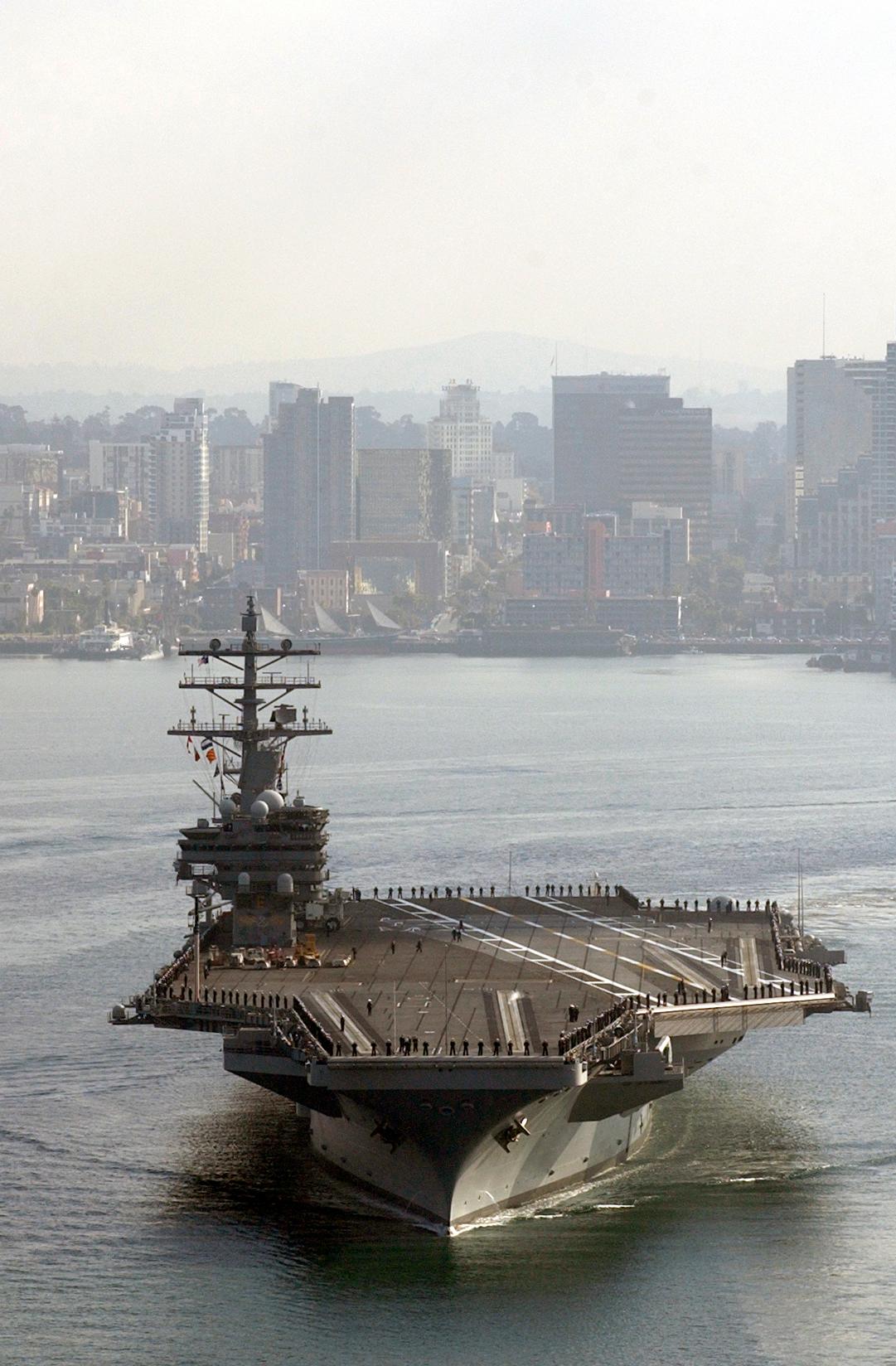
The timing wasn't accidental. While Congress debates UAP transparency deadlines and AARO shuffles its latest batch of non-disclosures, Iran just conducted joint naval exercises with China and Russia in the Strait of Hormuz. The message wasn't subtle: the world's chokepoints are under new management.
This matters for disclosure in ways most people aren't thinking about.
We've spent years focused on getting the Pentagon to release sixty-year-old files about lights in the sky. Meanwhile, the strategic landscape that made American military dominance possible—the same dominance that enabled decades of secrecy—is quietly dissolving.
The Strait of Hormuz controls roughly 30% of global oil shipments. When Iran hosts joint exercises there with America's primary strategic competitors, they're not practicing for regional conflicts. They're rehearsing for a world where U.S. naval power can't guarantee safe passage through the world's most critical maritime corridor.
GLT Take: This changes disclosure math in fundamental ways. The classified UAP programs we've been trying to crack open weren't just about hiding technology from the public. They were about maintaining strategic advantages in a unipolar world. That world is ending.
Consider the implications. If advanced aerospace capabilities exist within classified programs—and the evidence suggests they do—their strategic value depends entirely on America's ability to project power globally. When peer competitors start coordinating in critical regions, those capabilities become either shared assets or contested advantages.
The Iran-China-Russia exercise reveals something deeper than tactical cooperation. It demonstrates a willingness to openly challenge American maritime dominance in regions where such challenges would have been unthinkable twenty years ago. This isn't just military posturing; it's a preview of multipolar competition where the luxury of decades-long secrecy programs becomes a liability.
We've been asking the wrong questions. Instead of demanding disclosure of historical cases, we should be asking how UAP-related technologies factor into current strategic planning. When China demonstrates hypersonic capabilities that mirror reported UAP characteristics, when Russia claims breakthrough aerospace technologies, when Iran hosts joint exercises in chokepoint waters—these aren't separate stories.
The Pentagon's resistance to UAP disclosure makes more sense through this lens. They're not just protecting old secrets; they're protecting current advantages in an increasingly competitive environment. Every capability revealed to Congress is a capability revealed to Beijing and Moscow.
But here's what the brass doesn't seem to understand: that competitive environment makes selective disclosure inevitable. When your strategic competitors are openly coordinating in critical regions, maintaining technological surprise becomes impossible. Someone will break ranks. Someone will leak. Someone will defect with the files.
The Iran exercise proves the post-Cold War vacation from geopolitical reality is over. The questions we've been asking about disclosure—when will Congress act, what will AARO release, how long can the Pentagon delay—assume a stable strategic environment where America sets the timeline.
That assumption no longer holds.
Watch what happens next in the Strait of Hormuz. Watch how China and Russia respond to whatever countermoves the U.S. makes. Watch how quickly our decades-long disclosure debate becomes irrelevant when the strategic balance shifts enough that keeping secrets becomes more dangerous than sharing them.
The joint exercise wasn't about Iran flexing regional muscle. It was about three powers signaling that American strategic dominance—the foundation that made UAP secrecy sustainable—has limits they're willing to test.
Those tests are just beginning.
geopoliticsdisclosure-watchstrategic-implicationsiranchinarussiastrait-of-hormuz
Get the brief
UAP news for people who've been paying attention.
1,247 readers. No spam. No breathless headlines.
RELATED
Two Senators Stand Between Disclosure and the Status Quo
Four members of Congress and a whistleblower are staging a public confrontation with the executive branch over UAP secrecy. The real story is what comes after.
Jun 10, 20264 min read
The Pentagon Wants to Own the AI. The AI Companies Aren't So Sure.
Anthropic's stalled Pentagon AI contract talks aren't just a Silicon Valley dispute — they're a preview of who controls the analytical systems that will process classified UAP data for the next decade.
Jun 10, 20263 min read
The Limits of Force: Why Bombing Iran Won't End Iran
Defense analysts are making the case that even massive U.S. military strikes are unlikely to topple Iran's government — and the history of coercive air campaigns suggests they're right. Here's why that matters beyond the immediate conflict.
Jun 10, 20264 min read